Software Robots Netherlands: RPA Automation That Saves Costs
Transform repetitive tasks into valuable strategy with Dutch RPA expertise
View RPA Success Stories
Software Robots Netherlands: RPA for Dutch Companies
Software robots, also known as Robotic Process Automation (RPA), are intelligent digital employees that automate repetitive, rule-based tasks within your existing systems. For Dutch organizations, RPA offers a unique opportunity to implement AI-driven automation without costly system upgrades.
With proven Dutch expertise since 1999, EasyData helps companies implement GDPR-compliant software robots that are typically operational within 8 weeks, delivering significant cost savings and efficiency gains.*
How Do Software Robots Work in Dutch Companies?
Software robots observe and learn from human actions within applications. They record mouse clicks, keystrokes, and data processing to later perform these processes independently. This makes RPA particularly suitable for Dutch compliance-sensitive processes:
- GDPR-compliant invoice processing: Automatic extraction and processing according to Dutch regulations
- Dutch customer service: Fast response within GDPR frameworks
- Secure data migration: Dutch data sovereignty guaranteed
- Compliance reporting: Automatic Dutch regulatory documents
The main advantage for Dutch organizations is that RPA works with all existing software, from legacy systems to modern cloud applications, without vendor lock-in.*
*Implementation timeframe based on average experience from 200+ Dutch projects since 1999, individual lead time varies by organization complexity and scope.
Why Do Dutch Companies Choose Software Robots?
🚀 Fast Dutch Implementation
Typically within 8 weeks from concept to working robot. GDPR compliance built-in from day one.*
💶 Noticeable Cost Reduction
Substantial cost savings on repetitive processes with focus on positive ROI within 6 months.*
🎯 Improved Accuracy
Software robots make fewer errors, don’t forget steps, work 24/7 with comprehensive Dutch audit trails.*
🔒 Dutch GDPR Compliance
Full GDPR compliance and Dutch data sovereignty for maximum business security. Registered under number FG001914 with the Dutch Data Protection Authority.
⚡ Dutch Independence
Open standards and flexible implementation ensure lasting automation control without vendor lock-in.
🌍 Scalability
Start small with one Dutch process and scale to enterprise level when you’re ready.
*Results based on internal measurements from 200+ Dutch clients, period 2020-2024, individual results vary by organization, sector, and implementation scope.
Proven Results from Dutch RPA Implementations
Discover the impact software robots have on Dutch companies:
*Statistics based on internal measurements and CBS research, individual results vary by organization and implementation quality.
Software Robots vs. Traditional Dutch Automation
| Aspect | Traditional Automation | Software Robots (RPA) |
|---|---|---|
| Dutch Implementation Time | 6-12 months project duration | Typically 2-8 weeks to production |
| GDPR Compliance | Complex implementation afterwards | Privacy-by-design built-in |
| Dutch Investment Costs | €50K-€500K+ for new systems | €5K-€50K for complete solution |
| Legacy Systems | Often incompatible or expensive | 100% compatible with all Dutch systems |
| Dutch Flexibility | Difficult to adapt | Easy to modify according to Dutch requirements |
| Maintenance | Specialized IT knowledge required | User-friendly Dutch support |
Which Type of Dutch Software Robot Suits You?
Attended RPA: The Dutch Digital Assistant
Attended robots work together with your Dutch employees on their desktop. They take over routine actions during more complex processes, such as automatically filling in GDPR-compliant forms while the employee determines the strategy.
Ideal for Dutch organizations:
- Dutch customer service with human assessment
- GDPR-compliant approval processes
- Data entry with Dutch compliance requirements
Unattended RPA: The Autonomous Dutch Employee
Unattended robots work completely independently in Dutch data centers and execute complete processes without human intervention. They can be triggered by time schedules, emails, or system events within Dutch compliance frameworks.
Ideal for Dutch processes:
- Nightly Dutch processing batches
- GDPR-compliant invoice processing from suppliers
- Secure data migration between Dutch systems
- Dutch compliance monitoring and alerting
Dutch RPA Technology: From Basic to Intelligent Automation
The Dutch Evolution to Intelligent Software Robots
Modern Dutch RPA goes beyond simple task automation. Through integration with Artificial Intelligence (AI) and Machine Learning (ML), software robots can make more complex decisions within Dutch GDPR frameworks and safely process unstructured data.*
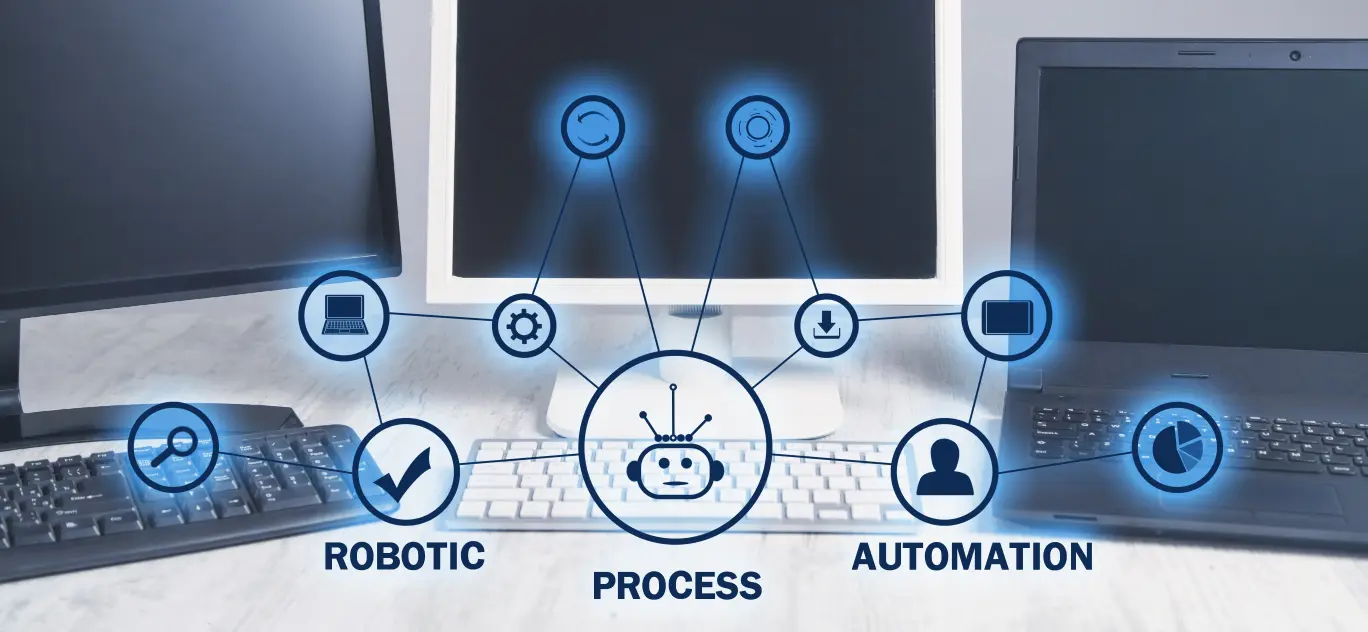
Dutch Hyperautomation: The Future of Dutch Companies
Hyperautomation combines RPA with various technologies for end-to-end Dutch process optimization within GDPR frameworks:
- Intelligent Document Processing (IDP): GDPR-compliant processing of Dutch contracts and invoices
- Process Mining: Discovery of hidden inefficiencies in Dutch business processes
- Natural Language Processing (NLP): Dutch language automatic email and customer communication
- Computer Vision: Recognition and processing of Dutch documents and screenshots
- Predictive Analytics: Prediction of Dutch market trends and automatic adjustments
Dutch pioneers like EasyData’s AI solutions combine these technologies for maximum business impact within Dutch compliance frameworks since 1999.*
*AI integration and technology development based on 25+ years of Dutch automation experience, results dependent on organization-specific factors and implementation quality.
Successfully Implementing RPA: The Proven Dutch Approach
Step 1: Dutch Process Identification and GDPR Analysis
Not every process is suitable for automation. Dutch companies focus on high-volume, rule-based tasks with clear GDPR compliance rules and minimal exceptions.*
Step 2: Dutch Proof of Concept (PoC)
Start small with one specific Dutch process to prove value. Typical PoC projects include GDPR-compliant invoice processing or customer onboarding and typically deliver measurable results within 4-6 weeks.*
Step 3: Dutch Pilot Implementation
After successful PoC, the process is expanded to the production environment with monitoring, error handling, and governance according to Dutch GDPR compliance standards.
Step 4: Dutch Scaling and Optimization
Gradual expansion to related processes and other departments, with continuous optimization based on performance data and Dutch user feedback.*
*Implementation approach based on 200+ successful Dutch projects, individual results vary by organization complexity and available resources.
Dutch RPA Challenges and Proven Solutions
Common Obstacles in Dutch Organizations
Despite the benefits, Dutch organizations encounter specific challenges with RPA implementation. Here are the main bottlenecks and proven Dutch solutions based on 25+ years of experience:
⚠️ Dutch System Changes
Problem: Software updates break robots.
Dutch solution: Proactive Dutch support and monitoring.*
👥 Dutch Employee Resistance
Problem: Fear of job loss.
Dutch solution: Redistribution to more valuable Dutch tasks.*
🔧 Dutch Technical Complexity
Problem: Lack of RPA expertise.
Dutch solution: Partnership with experienced Dutch RPA specialist since 1999.
📋 Dutch GDPR Governance
Problem: GDPR compliance concerns.
Dutch solution: Privacy-by-design with Dutch audit trails.*
💰 Dutch ROI Expectations
Problem: Unclear business case.
Dutch solution: Concrete Dutch metrics and gradual rollout.*
🔒 Dutch Security & Privacy
Problem: GDPR compliance concerns.
Dutch solution: Data sovereignty in Dutch data centers.
*Solutions based on experience with 200+ Dutch implementations, results dependent on organization-specific circumstances and implementation approach.
Ready for Dutch Software Robots with GDPR Compliance?
Join 200+ Dutch companies that have already automated their document processing with EasyData’s proven approach. Experience substantial accuracy improvement and noticeable time savings – typically operational within 8 weeks with complete Dutch data sovereignty.*
🏆 Dutch RPA Expertise Guaranteed
25+ years Dutch experience – Pioneers in process automation since 1999
Dutch data sovereignty – All robots run in Dutch data centers
No vendor lock-in – Open standards and full control over your automation
Target timeframe 8 weeks – From first contact to working software robots*
Transparent Dutch pricing – No hidden costs or unclear license models
GDPR compliant – Full Dutch GDPR regulation compliance – Registered FG001914
*Implementation timeframe based on average project duration with Dutch clients, individual projects may vary depending on organization size and complexity.
Frequently Asked Questions About Dutch Software Robots
How long does it take to implement software robots?
A typical RPA implementation for Dutch companies takes 2-8 weeks from concept to production. Simple processes like GDPR-compliant invoice processing can be operational within 2 weeks, while more complex workflows with multiple Dutch systems require 6-8 weeks. The speed depends on process complexity, system integration, and stakeholder availability.*
*Timeframe based on average experience from 200+ Dutch projects since 1999, individual lead time varies by organization complexity and scope.
Which processes are most suitable for RPA?
Ideal RPA processes are rule-based, high-volume, and repetitive within Dutch compliance frameworks. Think of GDPR-compliant invoice processing, Dutch data entry, report generation, customer onboarding, and GDPR compliance checks. Processes that require human creativity, complex decision-making, or physical actions are less suitable. A good Dutch rule of thumb: if the process has clear steps that you can explain to a new employee, it’s suitable for automation.*
*Suitability based on analysis of 200+ Dutch business processes, individual assessment per organization recommended.
What are the costs of RPA implementation for Dutch companies?
Dutch RPA costs vary from €5,000-€50,000 for complete solutions, depending on complexity and scope. License costs for platforms start around €3,000 per robot per year. Implementation costs (Dutch consultancy, development, training) typically amount to €10,000-€30,000. Most Dutch companies aim for ROI within 6-12 months through cost savings on personnel and efficiency gains.*
*Costs and ROI based on average Dutch projects, individual results dependent on organization size and process complexity.
Is RPA secure for sensitive Dutch business data?
Yes, modern RPA platforms comply with strict Dutch and European security standards. EasyData hosts all robots in Dutch data centers for complete data sovereignty within GDPR frameworks. RPA implementations include encryption, access controls, Dutch audit logging, and GDPR compliance. Software robots work within existing security protocols and can often be safer than human operators through standardized procedures and complete Dutch traceability.*
*Security based on Dutch compliance standards and 25+ years of experience, registered under number FG001914 with the Dutch Data Protection Authority.
Do software robots replace human employees?
Dutch companies primarily use RPA for task enrichment, not replacement. Research shows that 95% of organizations do not implement layoffs with RPA implementation. Instead, Dutch employees are reassigned to more strategic roles such as customer interaction, analysis, and innovation. RPA takes over boring, repetitive tasks so people can focus on work that requires creativity, empathy, and critical thinking within Dutch business culture.*
*Employment impact based on Dutch case studies and international research, individual organization approach may vary.
📝 About the Author