Digital sovereignty:
EasyData services focused on security
Stop looking away, know where your business data is located
Schedule your consultation
Why data independence is important
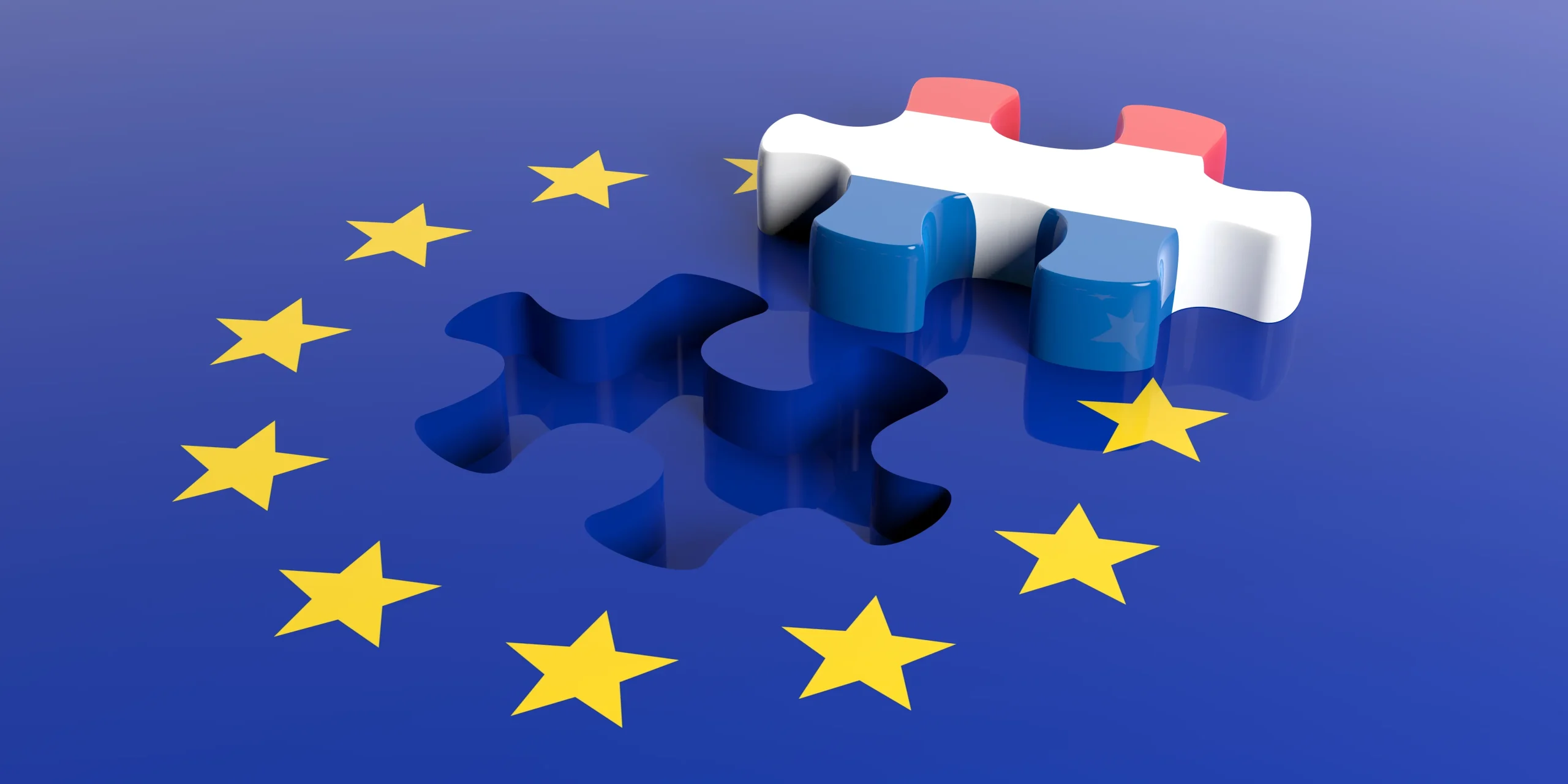
In 2024, the Dutch government announced its National Digitalization Strategy, in which digital sovereignty was identified as a strategic priority.
At the same time, we see more and more Dutch organizations reconsidering their data architecture due to increasing geopolitical tensions and stricter privacy requirements.
This analysis examines why Dutch organizations choose local data solutions, based on concrete experiences of organizations that have made this consideration and the practical reality of digital independence in 2025.
📚 What does digital sovereignty mean exactly?
Digital sovereignty means more than just “Dutch servers”. It’s about complete control over your own digital ecosystem and independence from foreign tech platforms.
Dutch context: For Dutch organizations, this means protection against American legislation such as the Cloud Act and retention of digital value within the European economy.
Important characteristics of data independence:
- Legal certainty – Data falls under Dutch/European legislation
- Operational independence – No dependence on foreign policy decisions
- Technical autonomy – Own control over updates, changes and access
- Economic independence – Value creation remains within the Dutch economy
💡 Expert insights: why local data control is critical
📈 Legal perspective
“The American Cloud Act of 2018 gives American authorities access to data from American companies, regardless of where this data is physically located. Dutch organizations using American cloud services cannot fully protect their data against American government requests.”
– Based on analysis of American legislation
🔒 Compliance perspective
“Dutch organizations implementing local data solutions report spending less time on legal compliance questions and more direct alignment with Dutch audit requirements.*”
– EasyData client research 2023-2024
Concrete considerations from practice
🏛️ Public sector benefits
Dutch government organizations have specific benefits with local solutions: direct compliance with Woo (Open Government Act), no conflicts with national security requirements, and local accountability for data processing.
🏦 Financial services
Banks and insurers report easier DNB-compliance, complete control over audit trails, and no concerns about foreign supervisors when using Dutch data infrastructure.
🏥 Healthcare organizations
Healthcare organizations experience direct compliance with Wgbo (Medical Treatment Agreement Act), complete control over patient data, and faster adaptation to Dutch healthcare standards.
🏭 Manufacturing industry
Industrial organizations value protection of intellectual property, no risk of technology embargoes, and retention of competitive advantage through local data storage according to Dutch legislation.
The Cloud Act reality: concrete risks
The American Cloud Act of 2018 has direct consequences for Dutch organizations using American cloud services.
Practical example: A Dutch municipality processing bank statements via American cloud services cannot fully protect this data against American government requests, even if servers are physically located in the Netherlands.
EasyData’s approach: Our Financial Search solution for Dutch municipalities processes bank statements in fully Dutch infrastructure, where personal data never leaves Dutch jurisdiction.
Geopolitical lessons: The sudden service interruptions for Russian users of Western cloud services in 2022 illustrated how quickly access can be cut off by international conflicts.*

🌍 The Dutch advantage
Why Dutch companies choose EasyData
- ✓ Dutch datacenter – Complete control within Dutch borders
- ✓ 25+ years of Dutch expertise – Knowledge of local compliance since 1999
- ✓ Local support in Dutch time – Direct help without timezone issues
- ✓ Open Dutch standards – Real independence without vendor lock-in
Measurable results of local data solutions
Organizations that switched to Dutch infrastructure report concrete benefits in multiple areas.*
📋 Compliance benefits
Dutch organizations report substantial time savings on legal compliance questions, direct alignment with Dutch audit requirements, and reduced complexity in regulatory reporting.*
⚡ Operational benefits
Faster implementation of Netherlands-specific functionality, more direct support in Dutch time and language, and increased employee confidence in data protection through local control.*
🎯 Strategic benefits
Reduced dependence on international policy changes, retention of data value within the Dutch economy, and improved crisis resistance through local infrastructure.*
💶 Economic impact
Retention of data value within own economy, independence from foreign tech suppliers and their pricing, and stimulation of the Dutch tech sector and innovation.
Practical steps for organizations
🔍 Assessment framework
1. Data classification: Which data is truly critical for your organization? Not all data requires the same level of security.
2. Compliance mapping: Which Dutch/European requirements apply? GDPR requirements differ per sector and organization size.
3. Risk assessment: What are the real costs of data loss, access by foreign authorities, or service interruptions?
4. Total Cost of Ownership: What are all costs over 5-10 years, including compliance, legal risks, and operational impact?
⚖️ Supplier evaluation
When choosing Dutch data partners: track record with Dutch compliance, technical capabilities that can compete on functionality, financial stability for reliable long-term partnership, and integration possibilities with existing systems.

EasyData’s 25+ years of experience with Dutch data solutions
As a pioneer in data solutions since 1999, we help organizations implement secure infrastructure, long before it became mainstream.
Today, we apply this experience by taking concrete steps that strengthen local data control. By connecting open source modules to our ESV Platform, we offer organizations real freedom of choice: use from our Dutch datacenter or complete control via implementation on your own servers.
From pioneer to practical solutions
While the municipality of Amsterdam conducts its ‘Exploration Amsterdam Digitally Independent’ and Northern Netherlands develops initiatives such as ‘Cloud of the North’, EasyData delivers directly working alternatives. The Dutch cabinet formulates the DOSA principle “open where possible, protect where necessary” – we make this principle a reality.
Our ESV Platform runs on NextCloud infrastructure, the same European technology already used by dozens of Dutch municipalities. With our years of NextCloud expertise, we help organizations realize data independence without loss of functionality.
Dutch expertise, European values
Whether organizations choose our Dutch datacenter solution or complete control via on-premise implementation – both options guarantee data security within Dutch jurisdiction and European legislation. This practical approach shows that digital independence is more than policy: it’s a workable reality for every Dutch organization that wants to maintain control over its digital future.
🏛️ Government
From bank statement analysis for municipalities to complex document processing for government organizations – always in Dutch datacenters with full GDPR compliance.
🏦 Financial sector
Automation of credit processing, fraud detection, and compliance reporting for Dutch banks while maintaining complete control over critical financial data.
🏥 Healthcare and welfare
Implementation of OCR technology for healthcare documents with strict compliance with Dutch privacy legislation and patient rights.
🏭 Industry and SMEs
From invoice processing to complex process automation – Dutch innovation for Dutch companies.
Ready to gain complete control over your data?
Join Dutch organizations that have already implemented their data independence. Experience for yourself how complete control over your data and 100% Dutch compliance transforms your organization – operational within 8 weeks.
🏆 Dutch expertise guaranteed
25+ years of experience – Pioneers in Dutch data solutions since 1999
Dutch datacenter – Fully GDPR-compliant and locally managed
No vendor lock-in – Real data ownership and flexibility
Frequently asked questions about digital sovereignty
What are the main risks of lack of data independence for Dutch organizations?
How do you implement secure data storage without losing functionality?
What are the costs of Dutch hosting versus international cloud?
How do you ensure continuity when switching to local infrastructure?
Which Dutch legislation is relevant for data independence?
📝 About the author

Disclaimer: *All mentioned results are based on internal analysis of EasyData’s implementations at Dutch organizations, conducted between 2023-2024. Individual performance varies per organization depending on factors such as process maturity, data quality and project scope. EasyData calculates realistic expectations specific to your situation during the free audit. For detailed case studies and methodology, contact us.