Data Swamp: from data chaos to control
Recognize the signals, understand the causes and prevent your data lake from becoming a swamp
Request a governance scan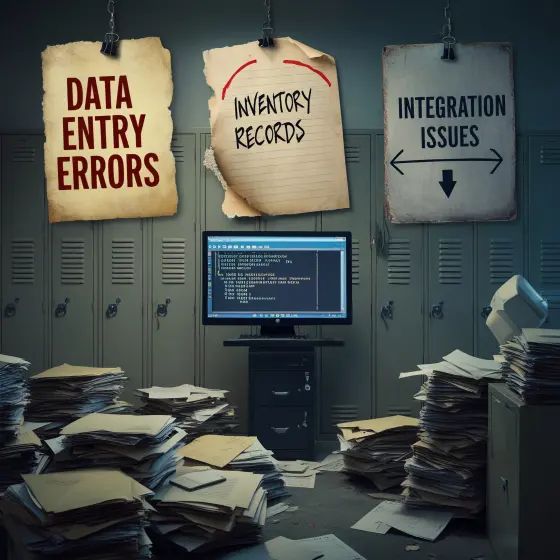
Nobody knows what is in there
Data is dumped without documentation. Metadata is missing or outdated.
Zoeken duurt uren
No catalog, no lineage. Analysts spend more time searching than analyzing.
Datakwaliteit onbekend
No validation, no monitoring. Nobody knows whether the data is correct and current.
Kosten lopen op
Storage grows uncontrolled. Duplicates and outdated data are never cleaned up.
What is a data swamp?
A data swamp is a data lake that has become unusable due to lack of governance, metadata and quality controls. Data is thrown in without structure, documentation or ownership. The result: nobody trusts the data, nobody can find it, and costs accumulate without extracting value.
From lake to swamp: how does it happen?
Most data swamps start as promising data lakes. Organizations invest in scalable clouddiensten and enthusiastically load data – “we store everything and figure out later what to do with it.”
But without a governance framework, data catalogus and clear ownership, the lake quickly turns into a swamp. Data becomes outdated, duplicates pile up, and new team members cannot find what they are looking for. Over time, nobody dares to delete data “just in case we still need it.”
Herkenbare signalen: Analysts spend more time searching than analyzing. The same dataset exists in five different versions without it being clear which is current. Reports give contradictory numbers because they draw from different sources. And with every new question, collection starts again because nobody knows what is already available.
At EasyData we see this pattern regularly with organizations we help. The good news: a swamp is not a dead end. With the right approach – metadata management, clear ownership structures and phased cleanup – you transform the swamp back into a usable lake. The key is to start small and improve structurally.

Symptomen herkennen en oplossen
❌ Symptoms of a Data Swamp
- ! No central data catalog or search function
- ! Metadata ontbreekt of is verouderd
- ! Nobody knows who owns which data
- ! Duplicaten en conflicterende versies
- ! Data quality is not monitored
- ! No access control or audit trail
- ! Storage groeit ongecontroleerd
- ! Compliancerisico’s due to unknown PII
✓ Solutions for Data Governance
- Implement a data catalog (e.g. Apache Atlas)
- Automatic metadata capture at ingest
- Definieer data stewards per domein
- Data lineage tracking end-to-end
- Data quality checks at ingest and periodically
- Role-based access control (RBAC)
- Lifecycle management with retention policies
- Automatische PII-detectie en classificatie
Data Swamp voorkomen: 6 stappen
Governance First
Start with governance before you load data. Define policies, roles and processes. Implementing governance afterwards is 10x harder.
Metadata Management
Require metadata at every data ingest. Automate where possible with schema inference and data profiling tools.
Data Catalogus
Implement a searchable catalog with business context. Make it easier to find data than to reload it.
Quality Gates
Validate data at ingest with automatic checks. Block or quarantine data that does not meet quality requirements.
Data Ownership
Assign a data steward for each domain. No owner = no data in the lake. Make ownership visible in the catalog.
Lifecycle Management
Definieer retention policies per datatype. Automatiseer archivering en verwijdering. Monitor storage groei actief.
The four pillars of Data Governance
Data Catalogus
Central inventory of all data assets with search function, business context and technical metadata.
Data Lineage
Visualize where data comes from and how it transforms. Essential for debugging and compliance.
Data Quality
Define and measure quality rules. Automatic monitoring with alerts for deviations.
Access Control
Manage who can see and do what. Audit trail for compliance. PII masking en encryptie.
Benefits of good Data Governance
Sneller Inzicht
Data is findable and understandable. Analysts spend time on analysis instead of searching.
Vertrouwde Data
Kwaliteitsmonitoring geeft vertrouwen. Beslissingen gebaseerd op betrouwbare data.
Lagere Kosten
No duplicates, no outdated data. Lifecycle management keeps storage manageable.
Compliance Ready
AVG, SOX, NIS2 – with lineage and access control you are audit-proof.
Snellere Innovatie
Nieuwe use cases sneller implementeren. Data is beschikbaar en gedocumenteerd.
Betere Samenwerking
Teams share data with confidence. Catalog enables cross-domain projects.
Governance in de praktijk
🏦 Financiele sector
Strict compliance requirements (SOX, Basel) require full lineage and audit trails. Automatic PII detection prevents data leaks. Data quality monitoring for reports to regulators.
🏥 Zorgsector
Patient data requires strict access control and encryption. Governance framework for AVG-compliance. Data catalogus maakt onderzoeksdata vindbaar en herbruikbaar.
🏛️ Overheid en Gemeenten
Transparantie en verantwoording vereisen volledige data lineage. Datagedreven werken benefits from good cataloging. Privacy by design for citizen data.
🏭 Industrie en Productie
IoT sensor data requires lifecycle management to prevent storage explosion. Quality gates for reliable predictive maintenance. Metadata for machine learning modellen.
🛒 Retail en E-commerce
Bringing together customer data from multiple sources with master data management. Real-time data quality for personalization. Governance for 360-degree customer view.
📊 Datagedreven organisaties
Self-service analytics vereist vertrouwde, gedocumenteerde datasets. Governance maakt democratization of data possible without chaos. Catalog as single source of truth.
Get your data under control?
Let us analyze your current data landscape. We identify governance gaps and advise concrete improvement steps.
What you can expect
Governance Assessment Analysis of your current data landscape and governance maturity
Gap Analyse Identificatie van risico’s en verbetermogelijkheden
Roadmap Concrete steps toward a controlled data environment
Nederlandse Expertise 25+ jaar ervaring in datamanagement en compliance
Frequently asked questions about Data Swamps
Typical signals: analysts complain they cannot find data, nobody knows who owns datasets, there are multiple versions of the same data, storage grows faster than expected, and new employees need weeks to understand the data. If more than half of this is recognizable, you probably have governance issues.
Yes, but it requires a structured approach. Start with an inventory of what is in there, identify the most valuable datasets, implement governance for new data, and clean up legacy data in phases. It is intensive but certainly possible – and the investment pays for itself in productivity and compliance.
Een data lake is a well-managed storage environment with metadata management, data catalog, quality controls and clear ownership. A data swamp is what remains when this governance is lacking: undocumented, unfindable, unreliable data that costs more than it delivers.
De kosten varieren sterk. Open-source opties zoals Apache Atlas zijn gratis maar vereisen expertise om te implementeren. Commerciele oplossingen kosten tienduizenden euro’s per jaar. De echte investering zit in het proces: metadata verzamelen, stewards trainen, en adoptie stimuleren.
Dark data is data that is stored but never analyzed or used. It costs money to store, poses a compliancerisico (unknown PII), and delivers no value. Governance helps identify and clean up dark data.
Data lakehouse platforms have built-in governance: automatic metadata capture, data lineage, access control and quality monitoring. The transaction layer prevents inconsistent data. This makes it harder to develop bad habits that lead to a swamp.
Governance is a shared responsibility. A Chief Data Officer or Data Governance Manager sets the framework. Data Stewards per domain are responsible for quality and documentation. IT manages the technical infrastructure. And everyone who produces or consumes data must follow the policies.
A basic framework can be in place in 3-6 months. Full implementation with catalog, lineage, quality monitoring and trained stewards typically takes 12-18 months. Start small with the most critical datasets and expand in phases. Governance is an ongoing process, not a one-time project.
About the author

Disclaimer: Percentages are based on industry research and may vary per organization and sector.